Soft Mouse

Design Experiment

Tools:

Arduino, C++, Solidworks, FDM, Mediapipe, Webgazer, GPT-5


Team:

Personal Project


Duration:

Nov 2025 - Present
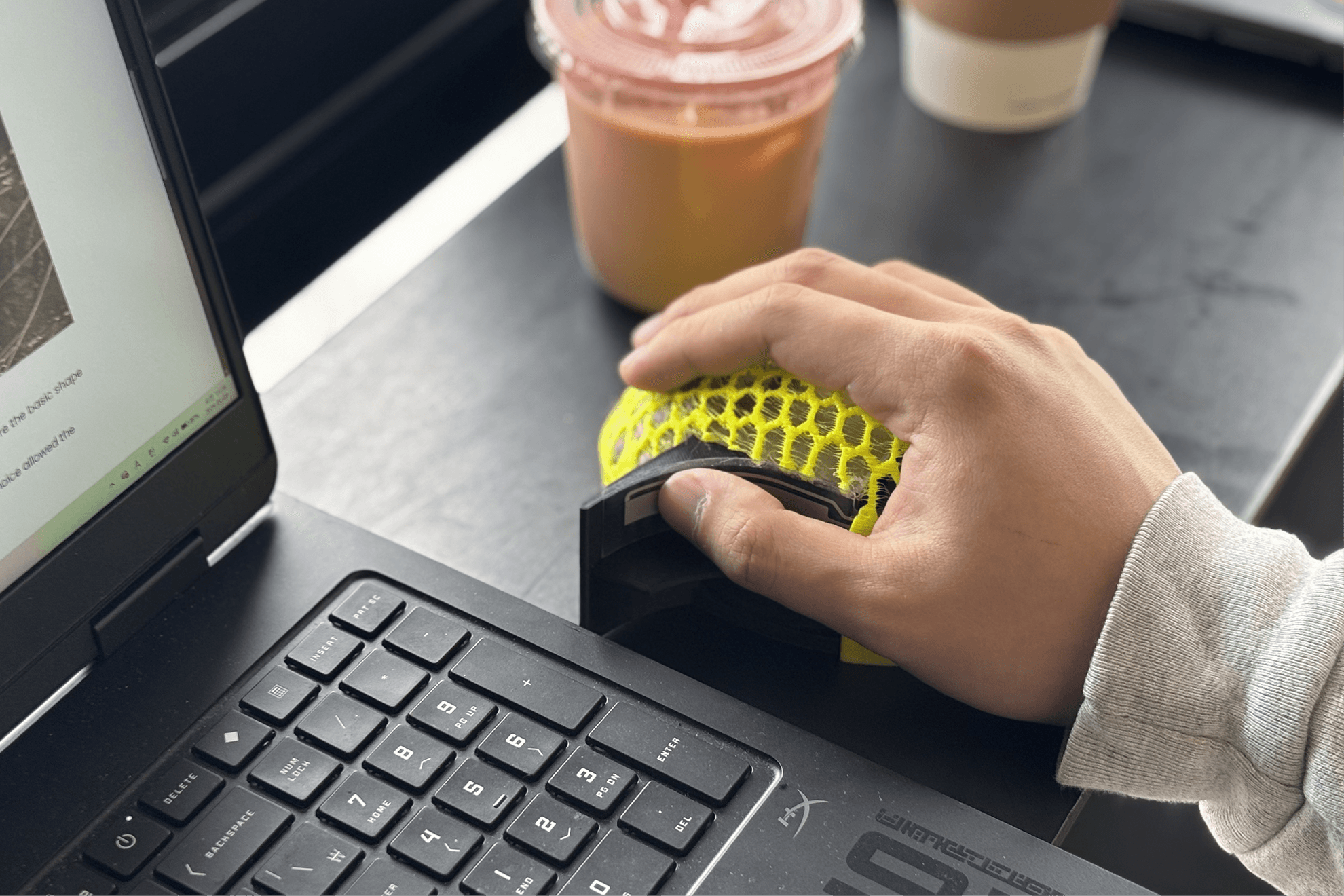
This design experiment began with a quiet curiosity and a simple question.

Initial Experiment


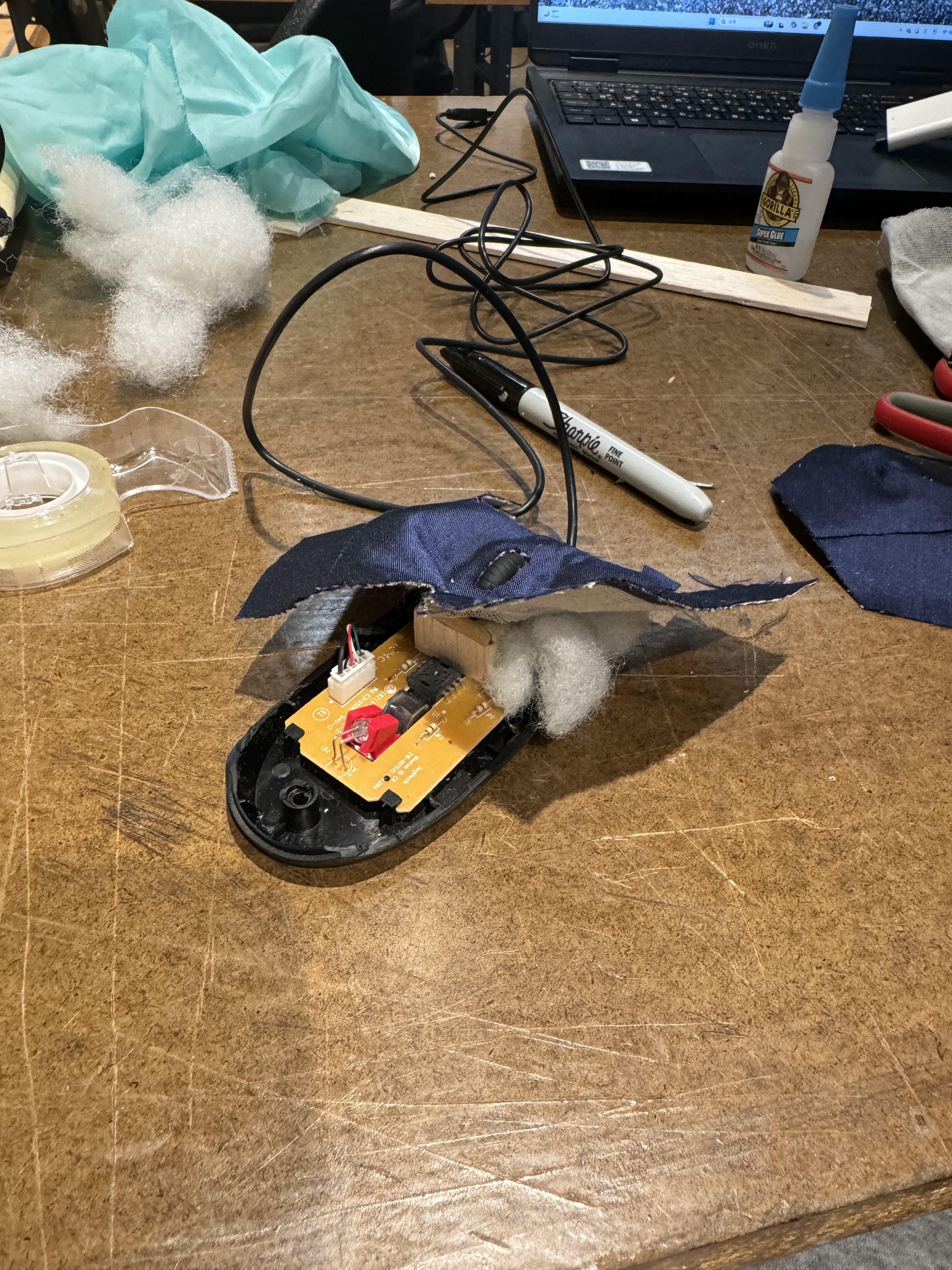
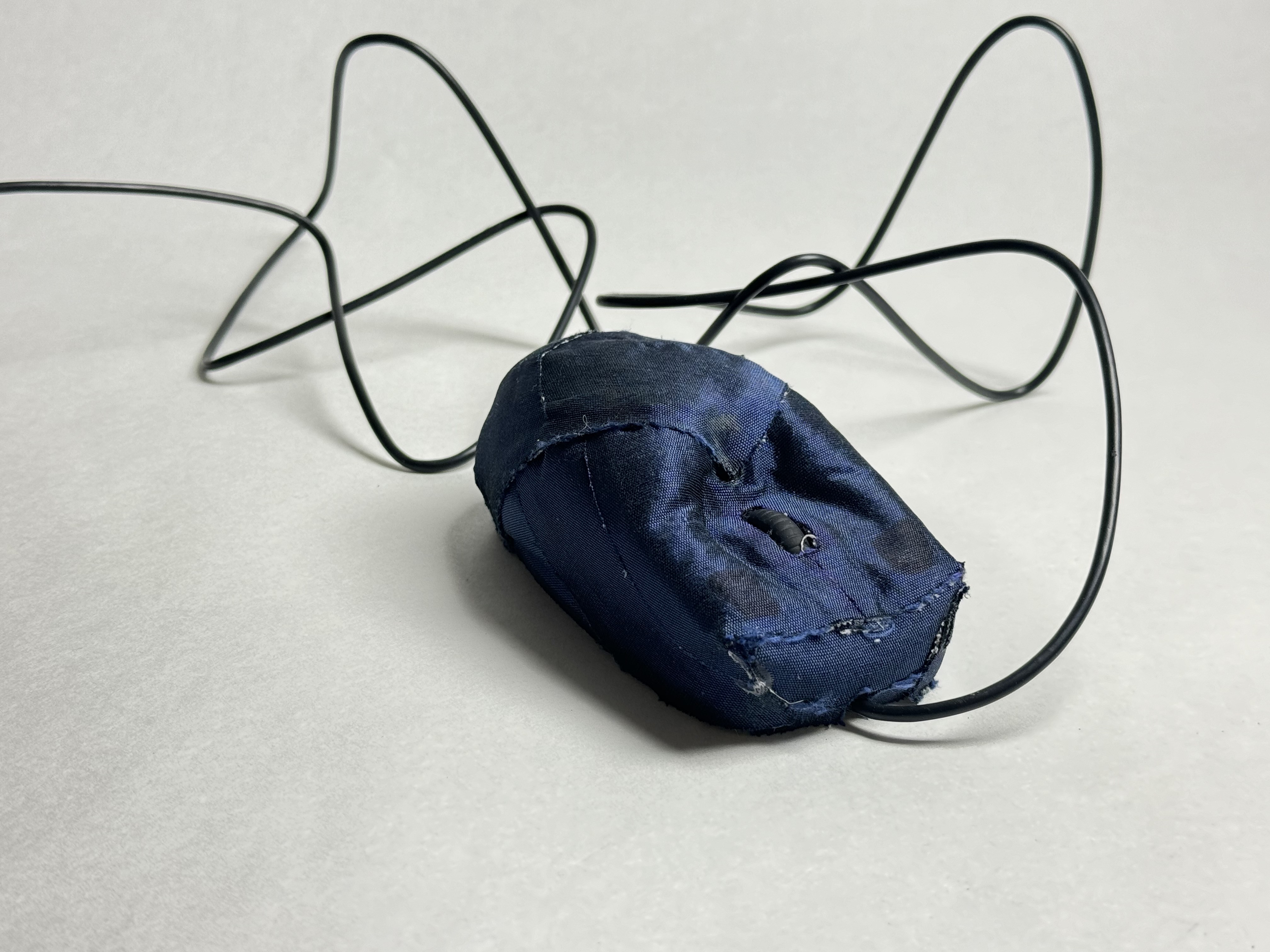
Rapid experiment to introduce softness into regular office mouse.

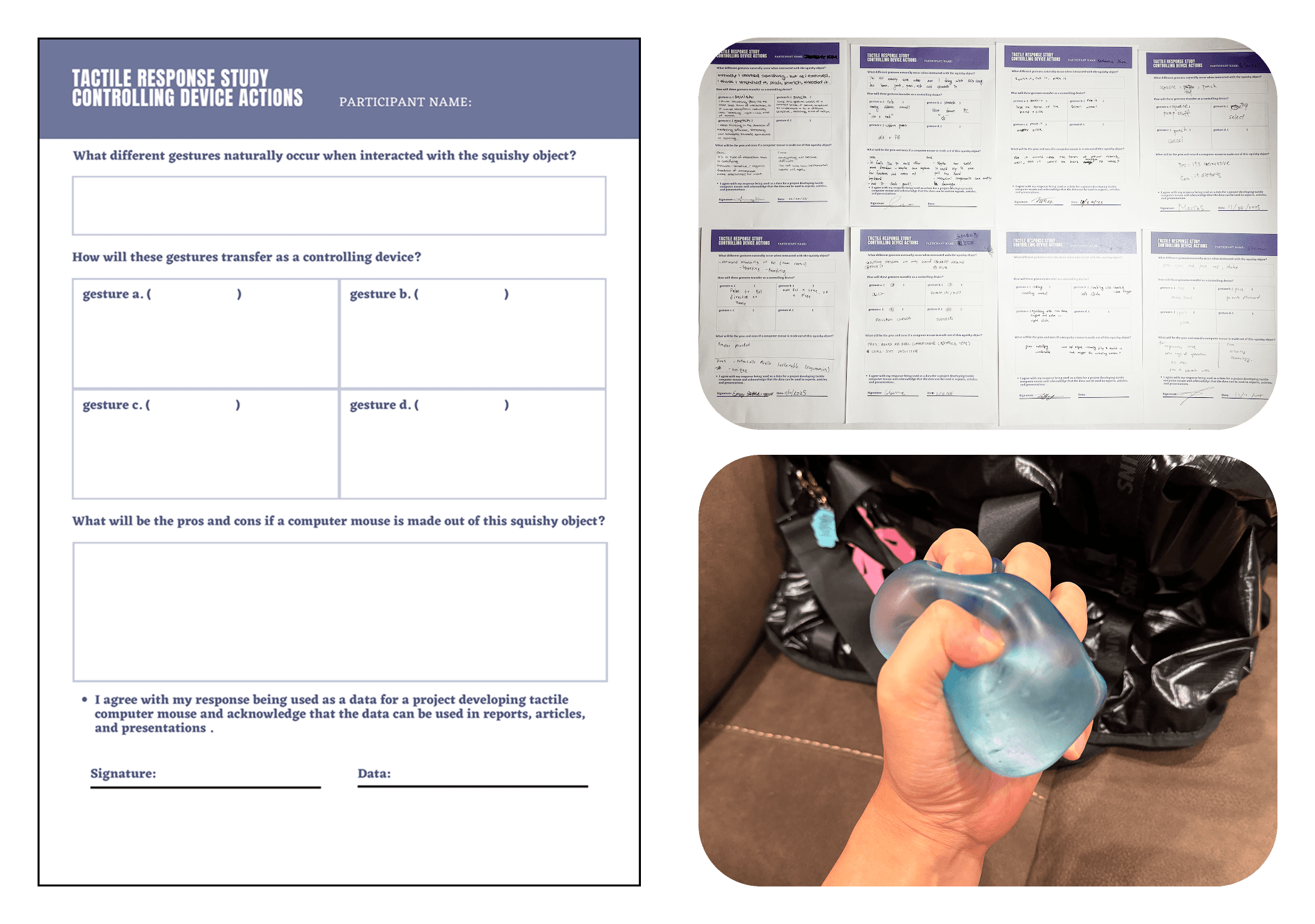
Tactile Response Study


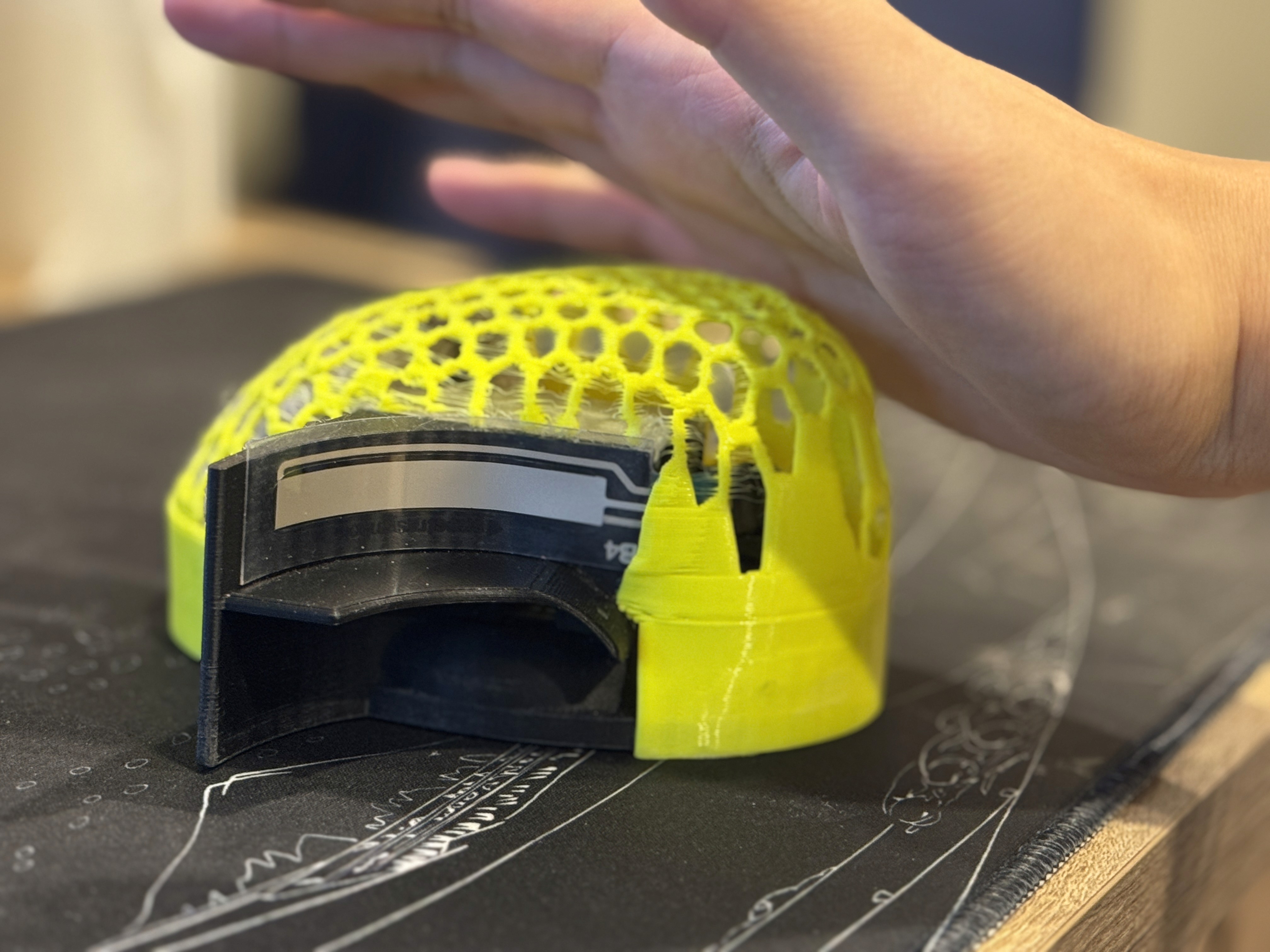
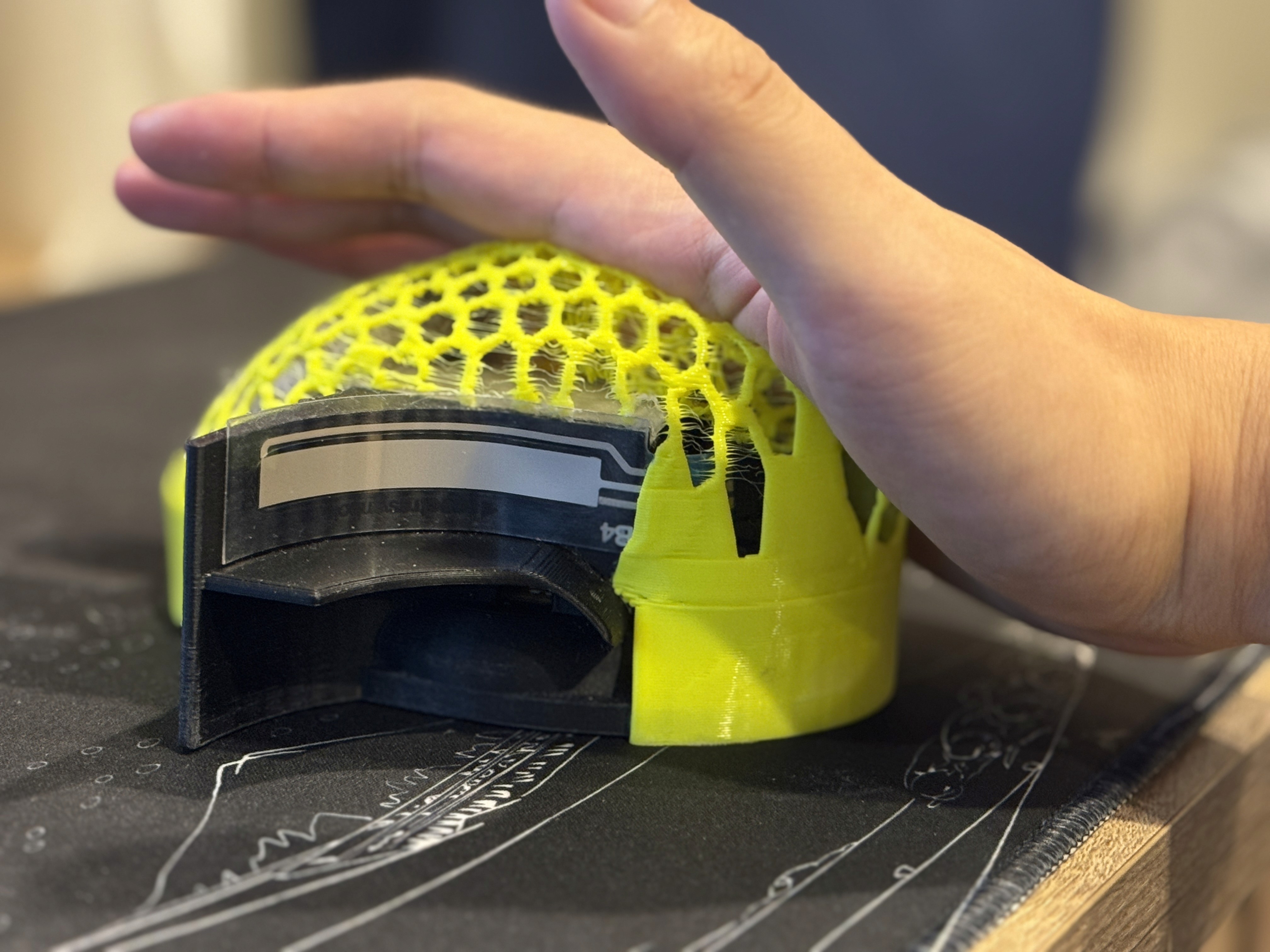
A user study exploring new tactile motions as computer mouse commands.

Takeaways


Traditional mouse buttons require high pressure with a soft shell, demanding more sensitive sensors for subtle input.


Users are strongly conditioned to conventional mouse inputs, yet repeatedly lifted the test object off the desk, revealing potential beyond surface bound interaction.

Photo

Prototyping Progress

Sensor mapping
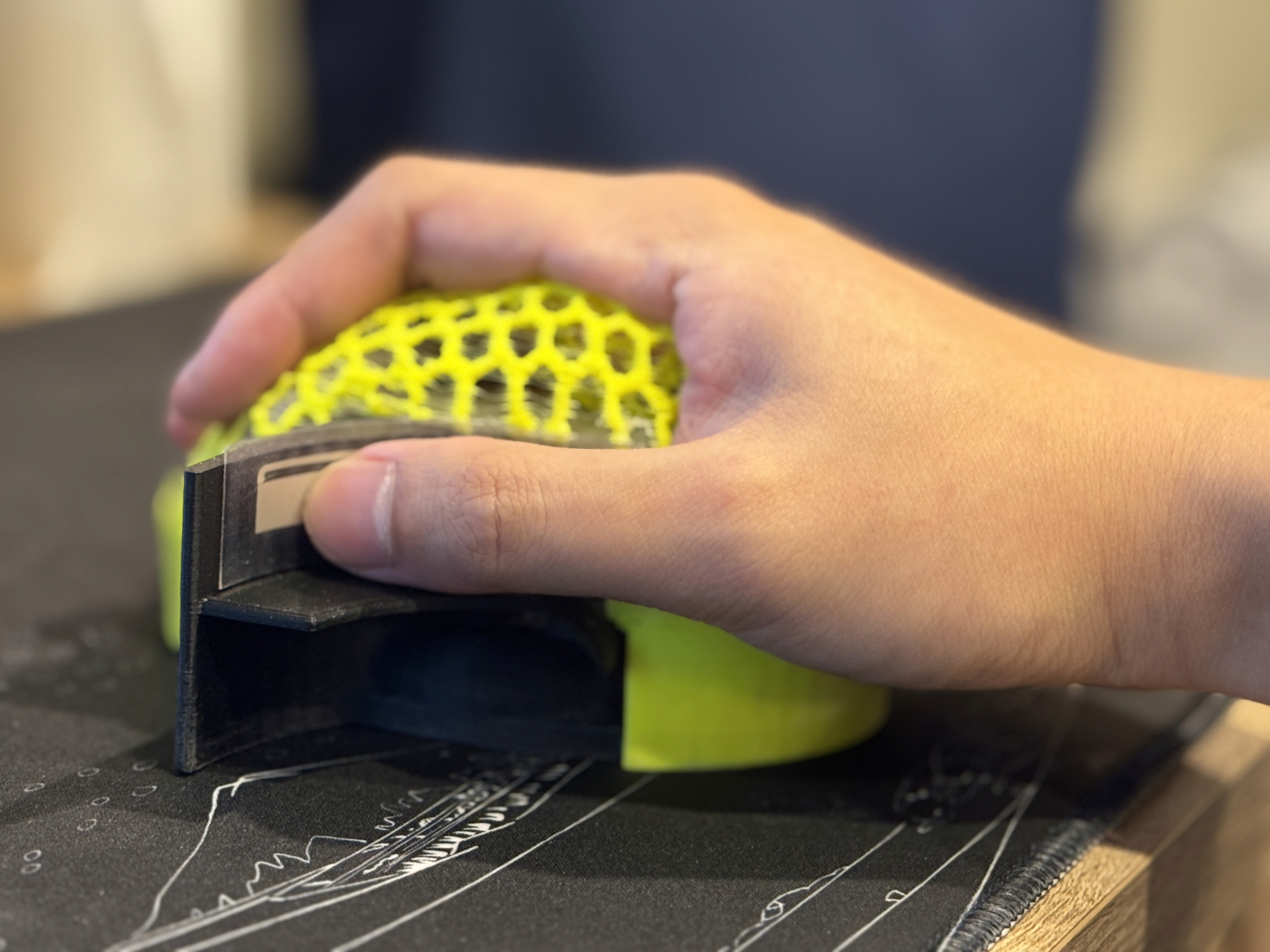
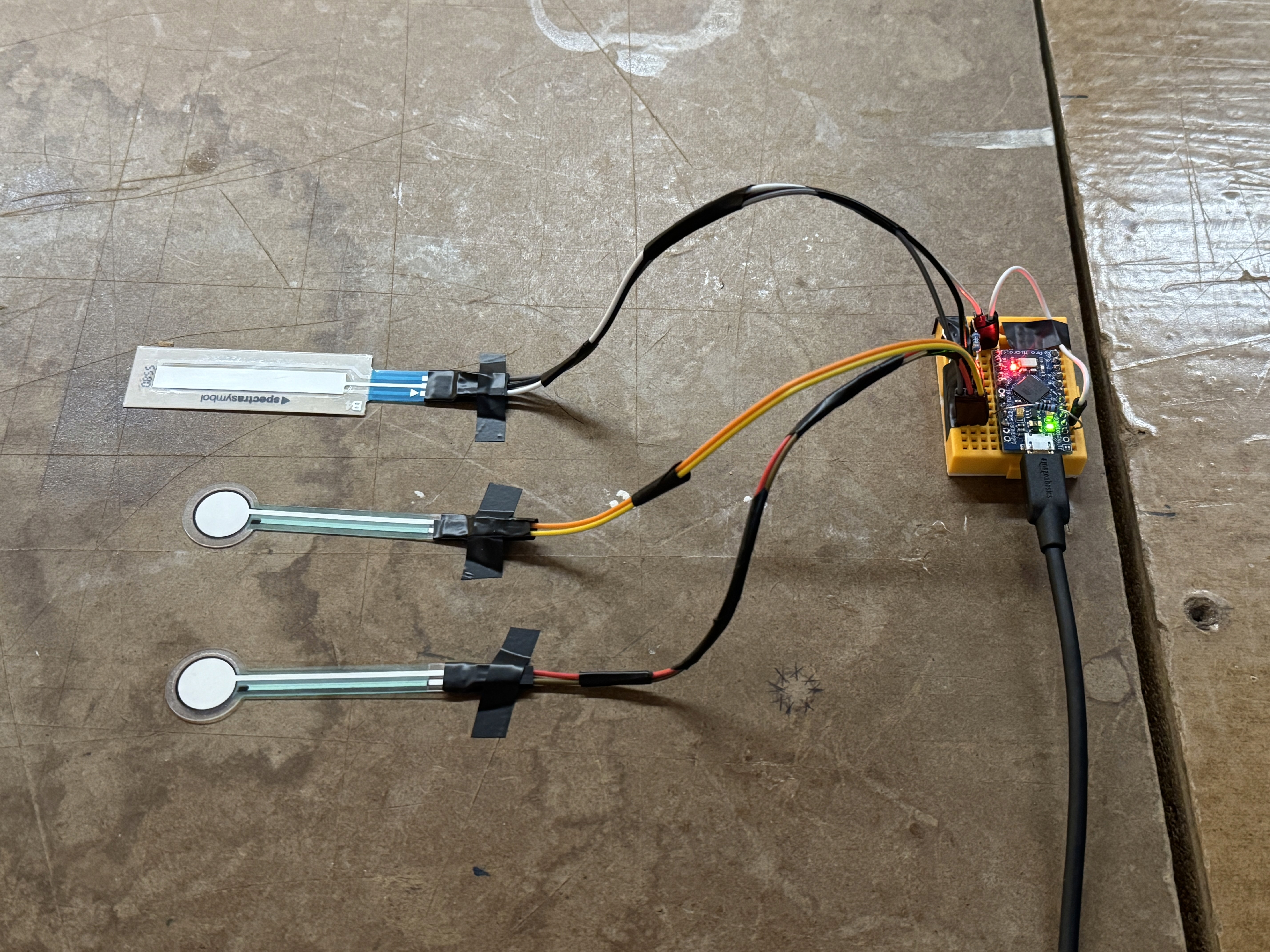
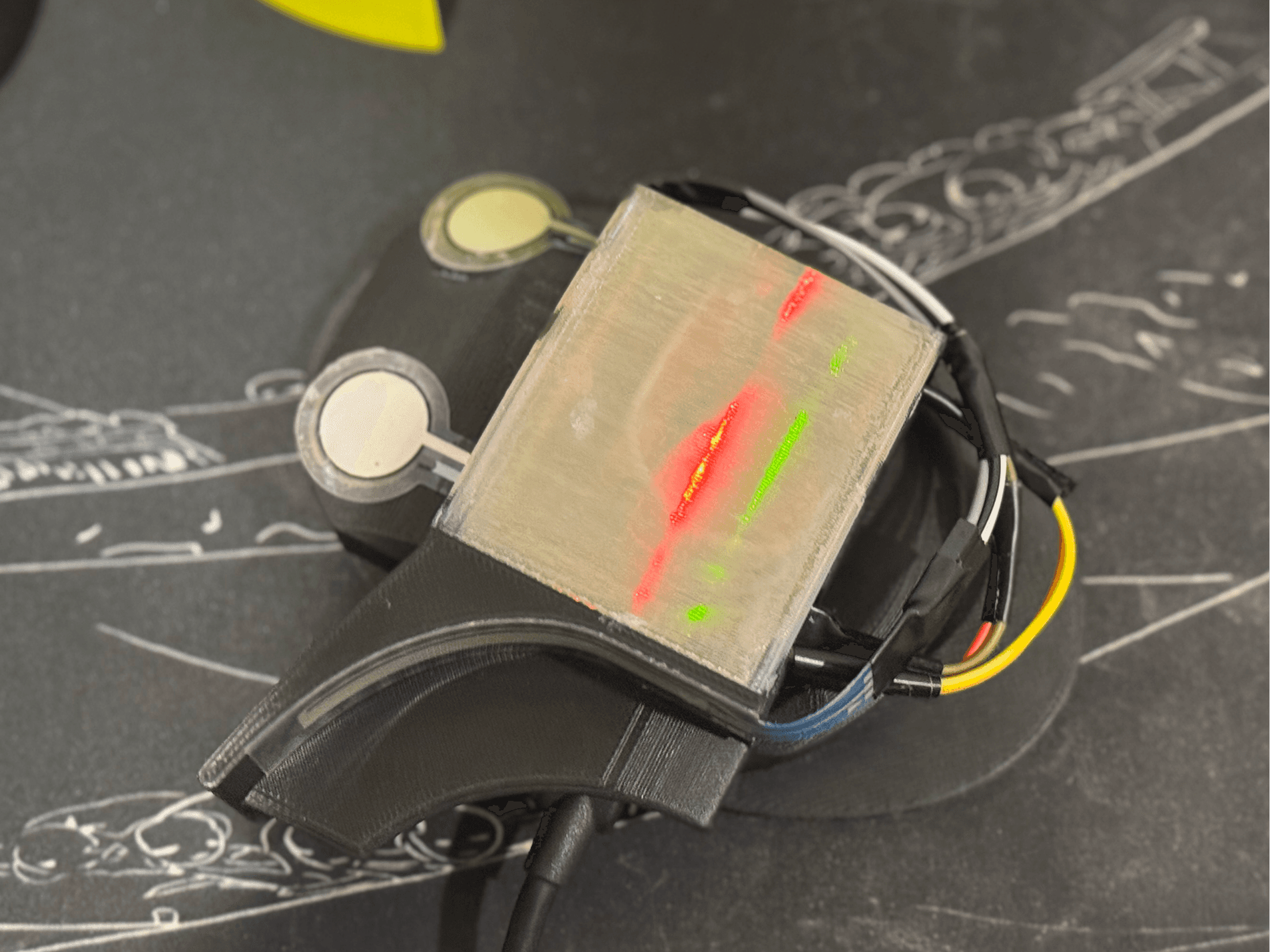
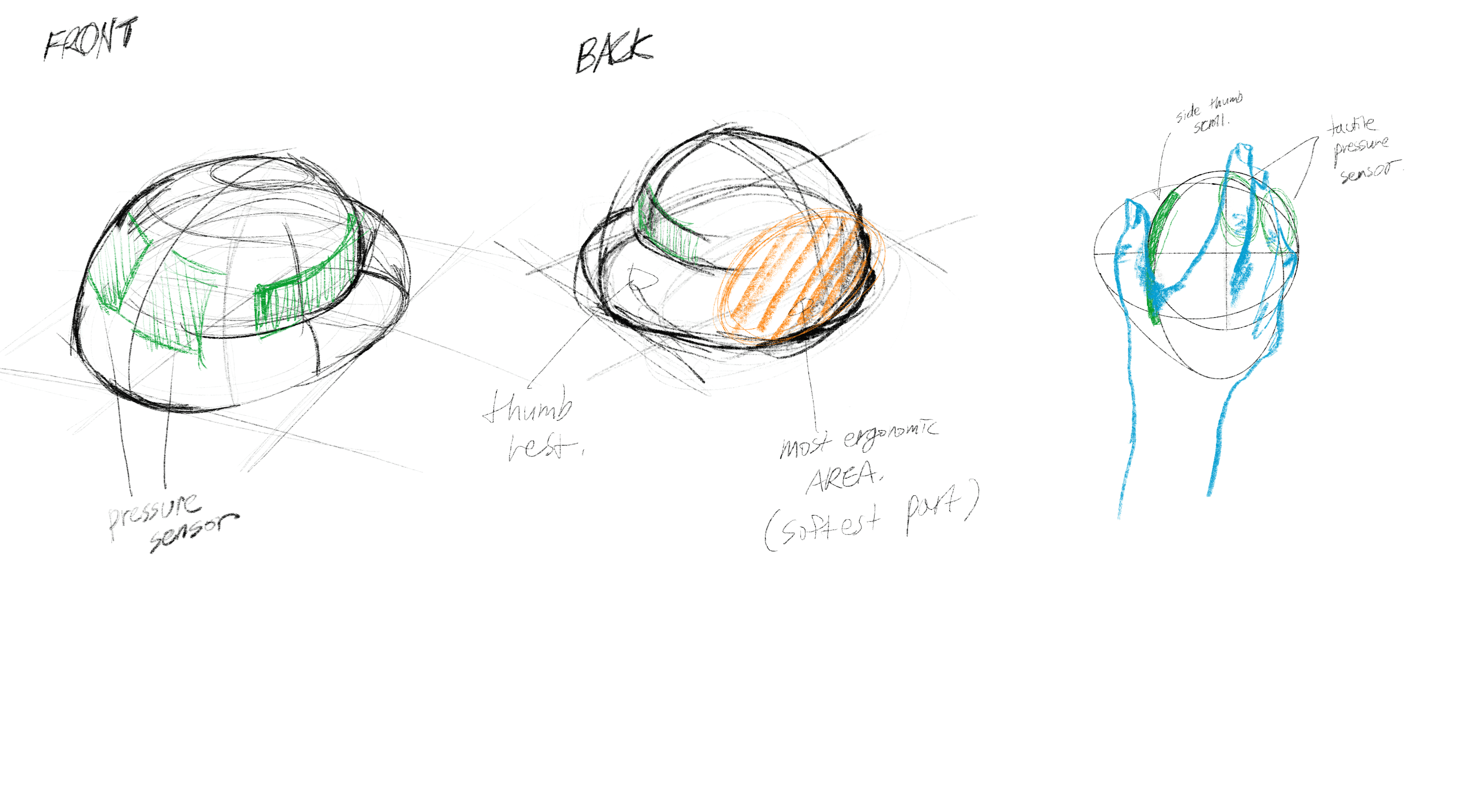
Using arduino to wire sensors and set thresholds to read subtle inputs. Softpot acts as reading scroll action while FSR reads left & right click.
Sensor connect
Built around an ATmega32U4 microcontroller enabling native USB mouse functionality.
Rapid form test
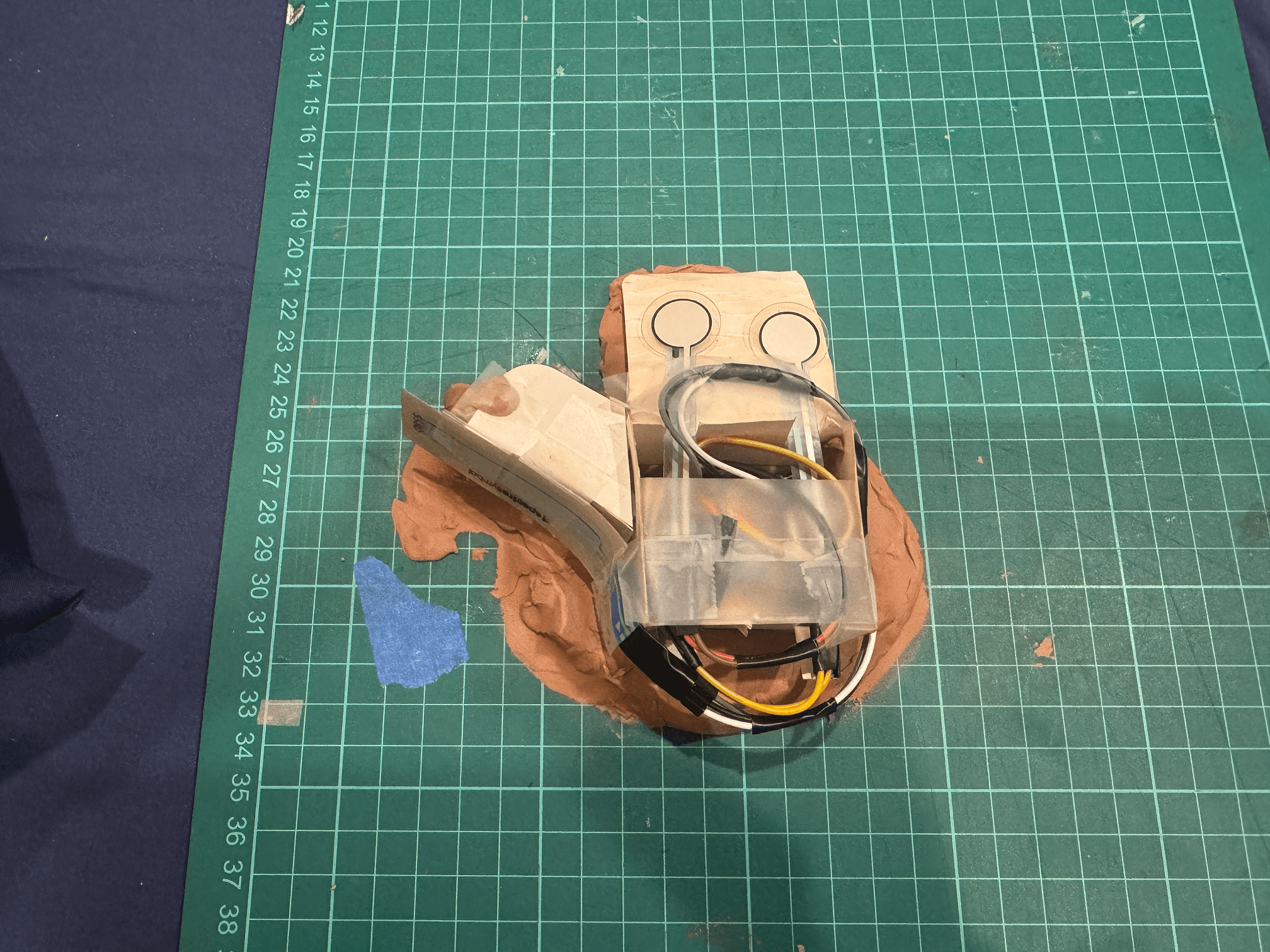
Rapid modeling with modeling clay and papers to find a form that fits both the sketch and hardware inside.
Casing assembly
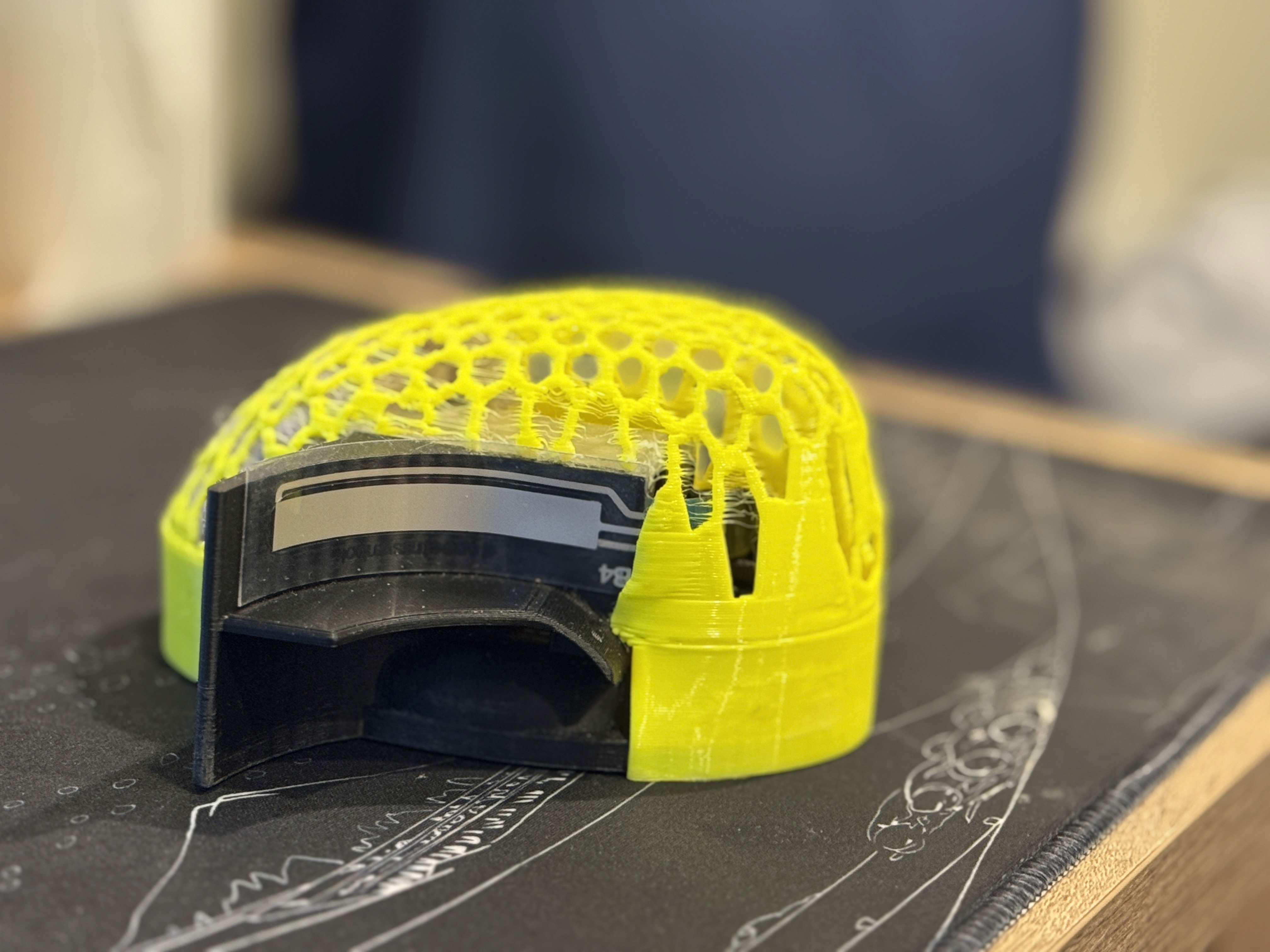
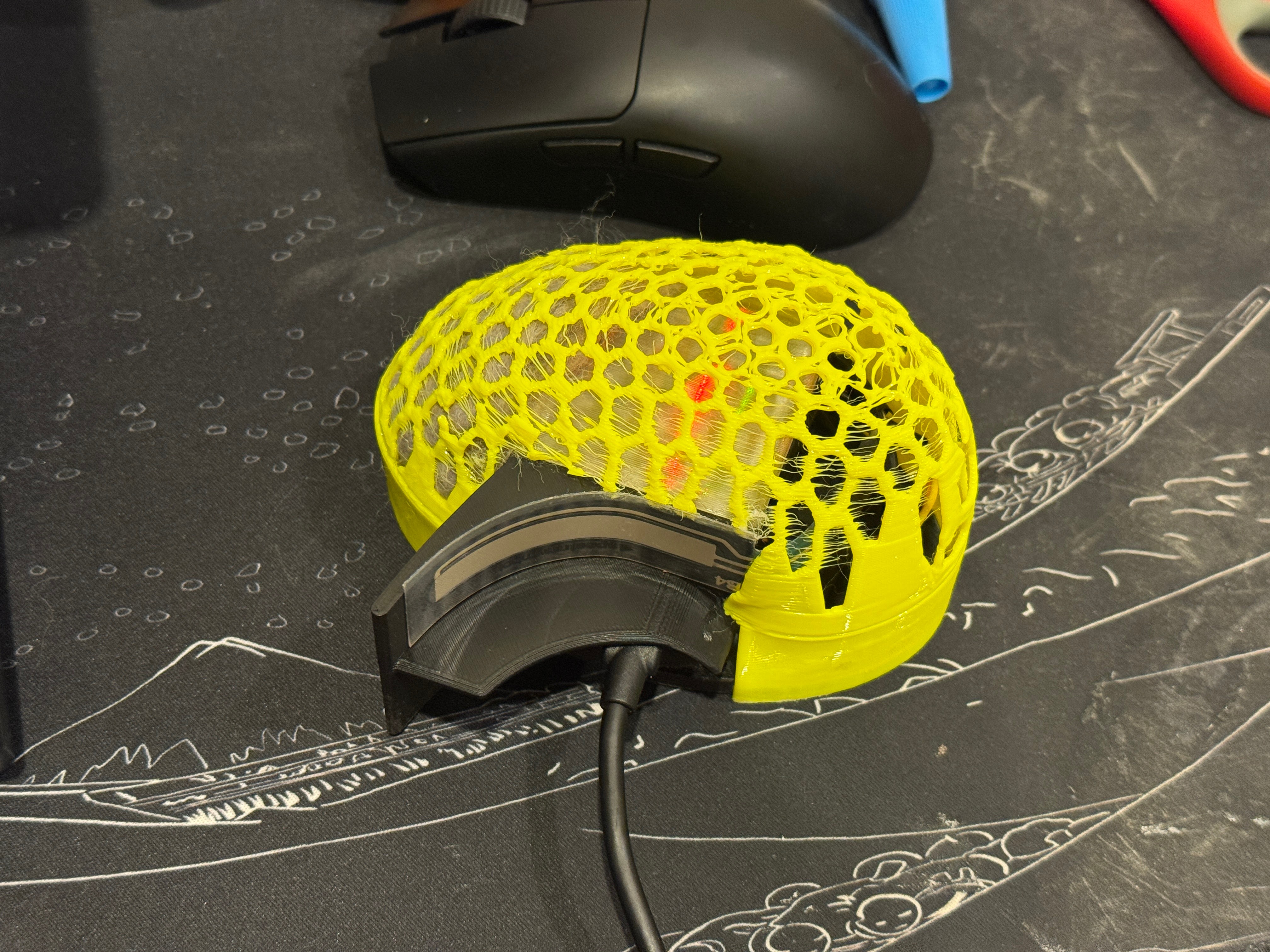
Based on rapid form testing, the casing was modeled in SolidWorks to fit the sensors and electronics, then 3D printed.
TPU cover
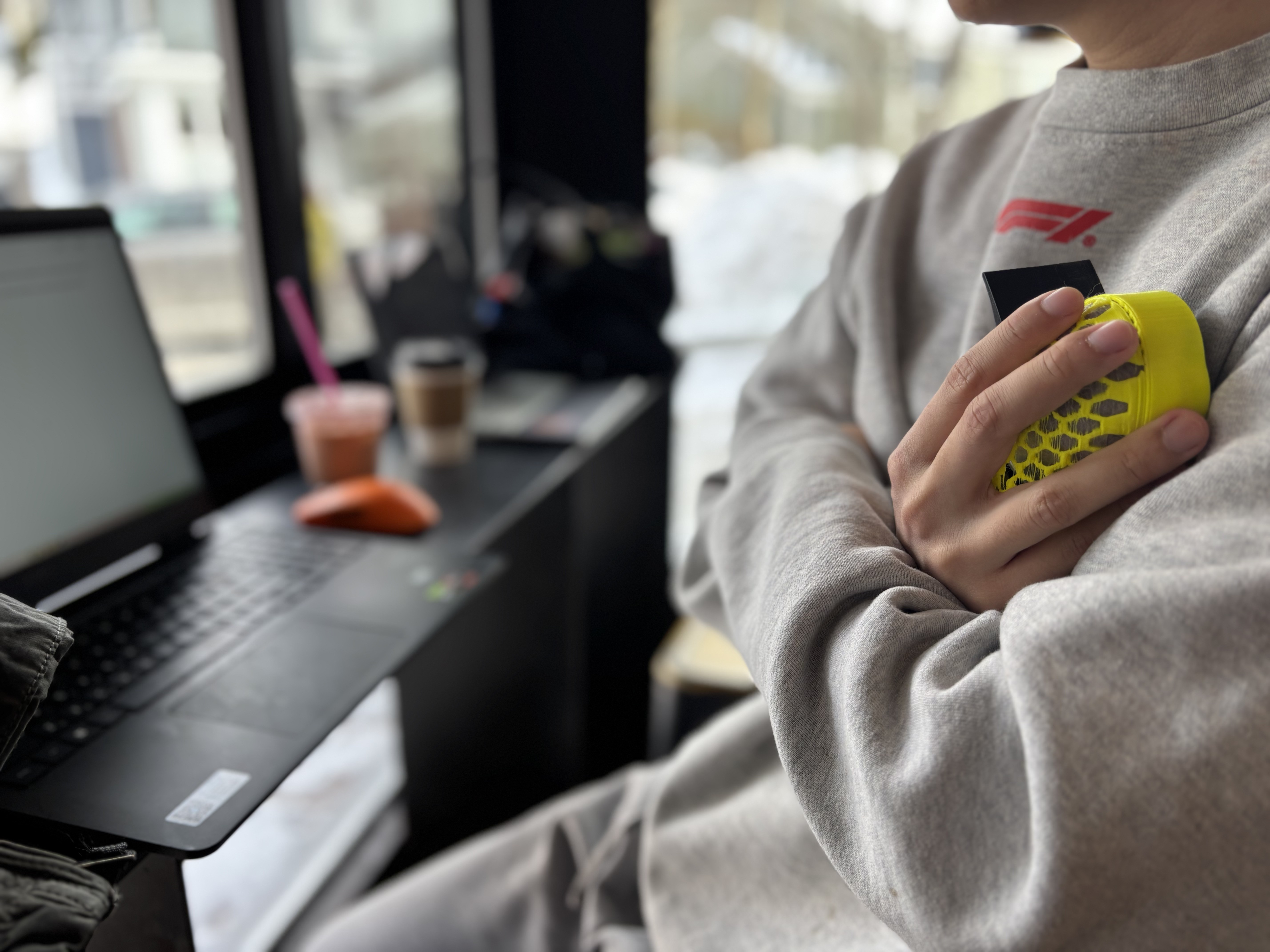
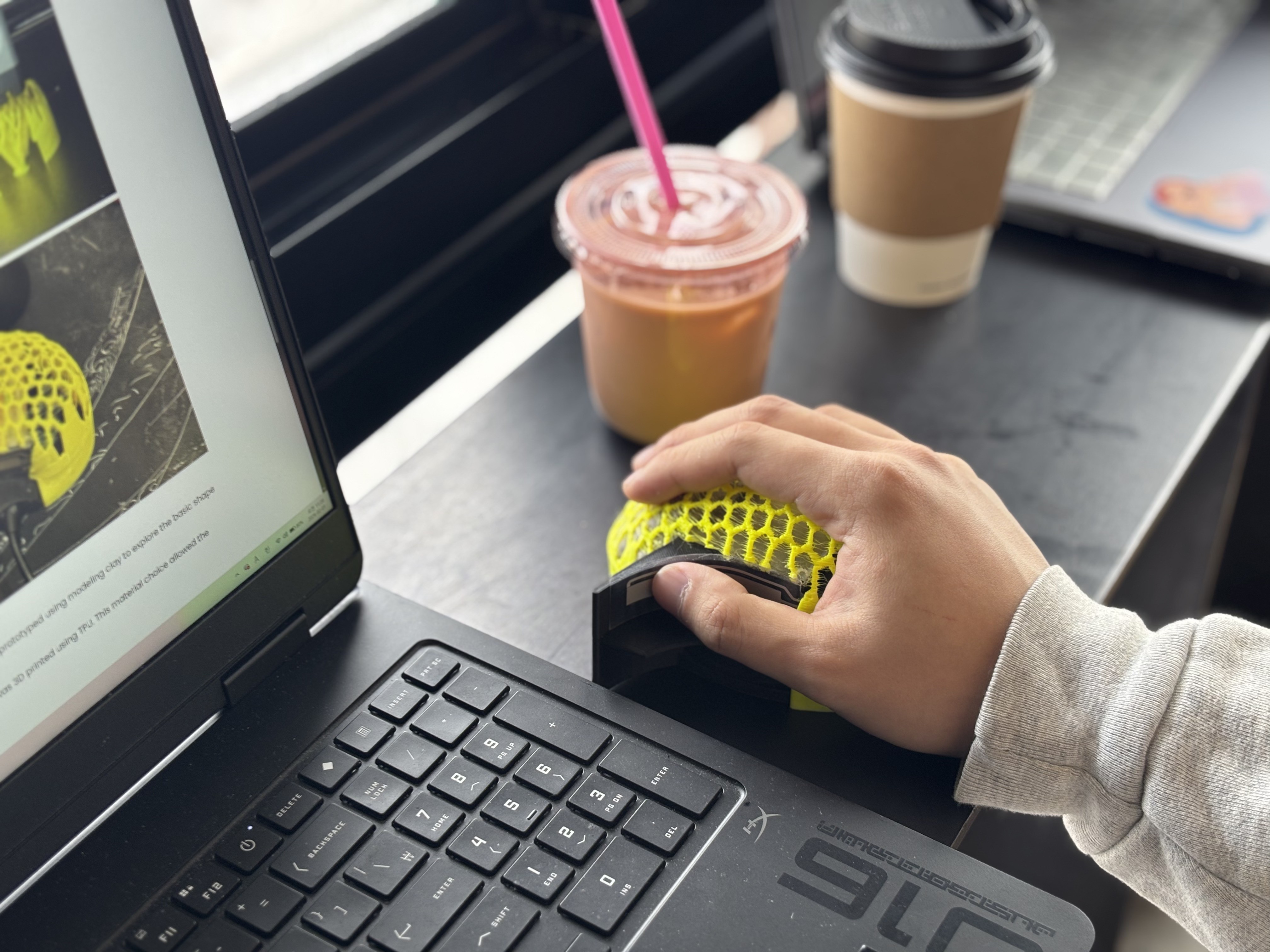
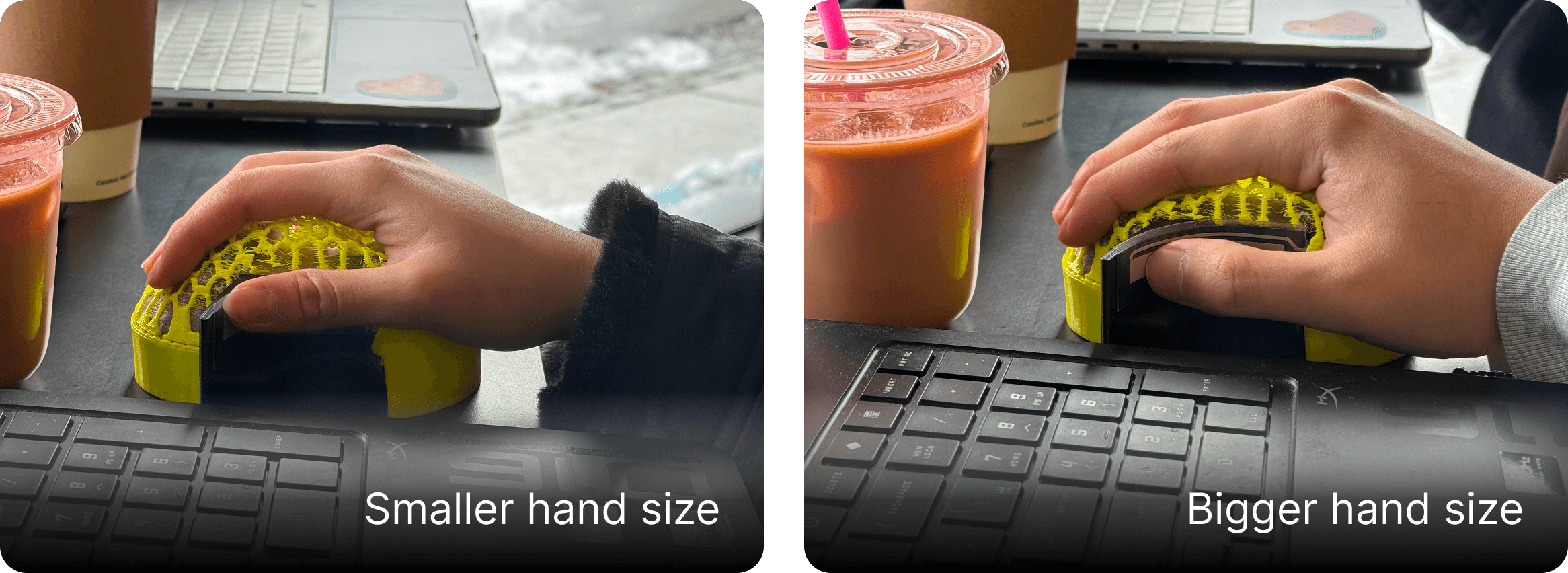
A malleable TPU cover was assembled, with a honeycomb structure adding flexibility to adapt to the user’s hand in multiple directions.
Eye tracking mechanism
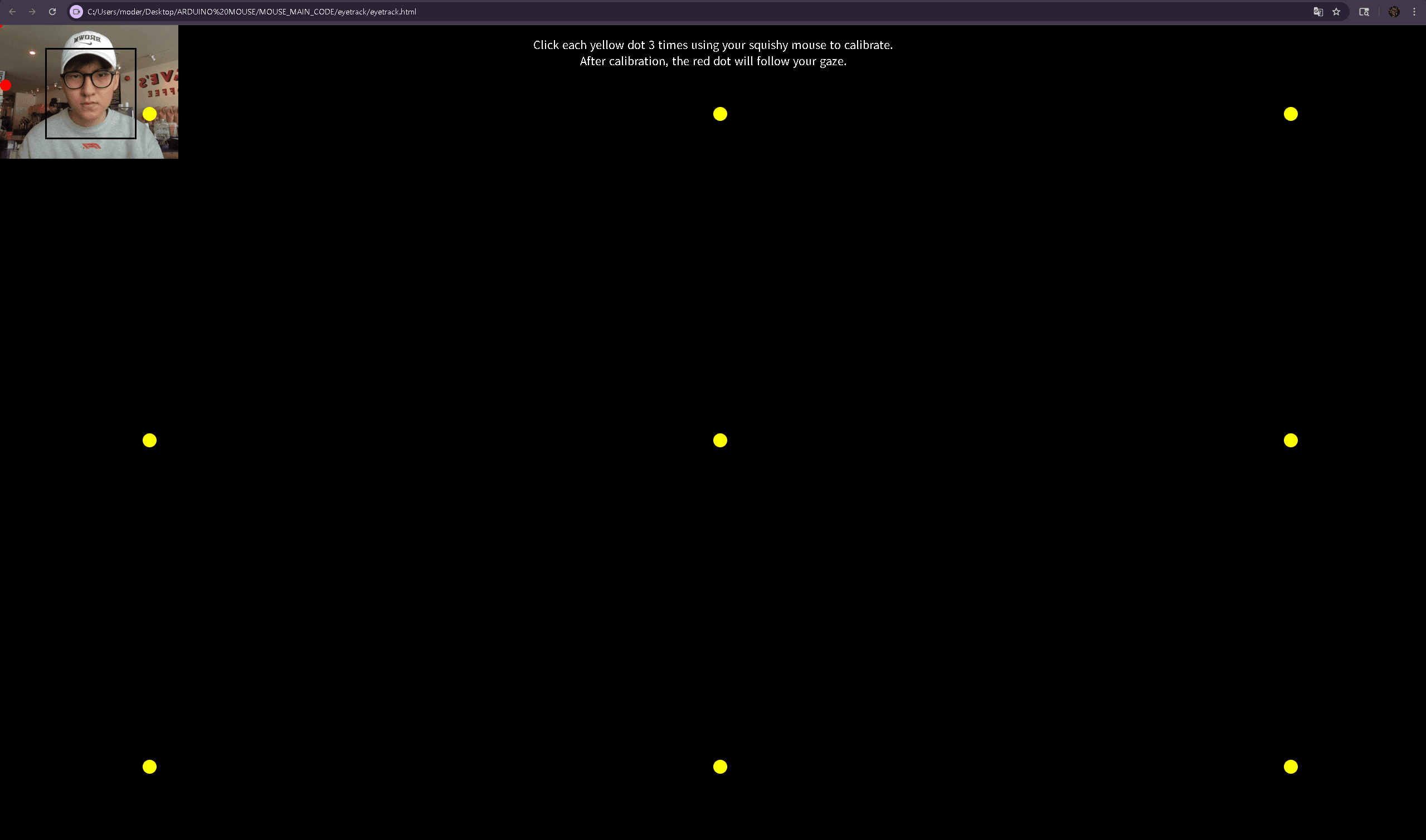
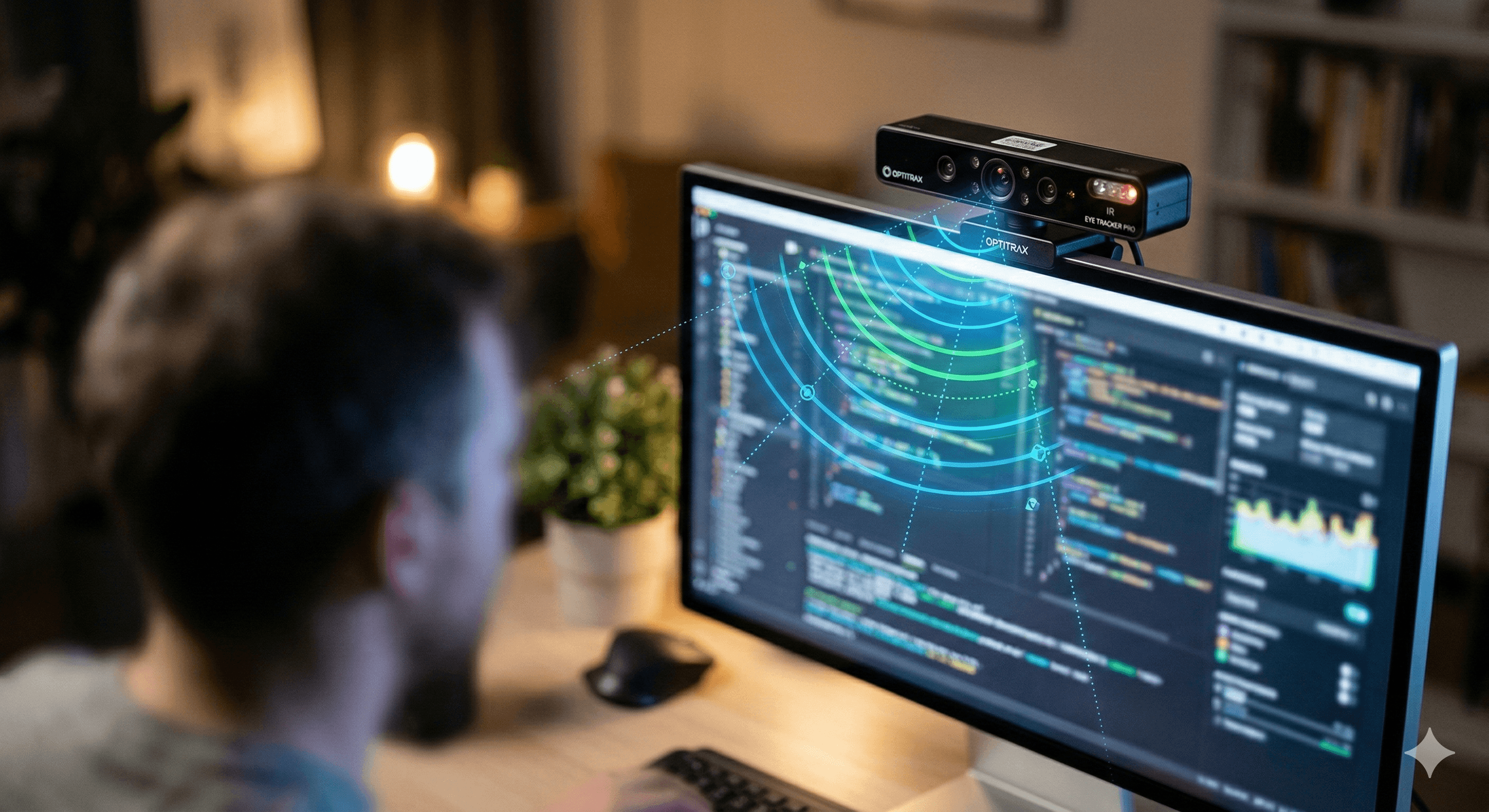
Eye tracking was tested using open source libraries such as WebGazer and MediaPipe with a laptop webcam, but significant inaccuracies revealed the need for dedicated eye tracking hardware.

Final Prototype

Thank you for spending time with my work!

© 2026 Matthew Cho